
 LED Tube Light
 LED Panel Light
 LED Down Light
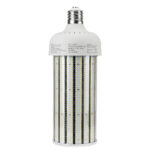 LED Corn Bulb
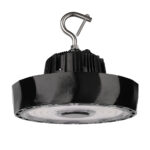 LED Highbay Light
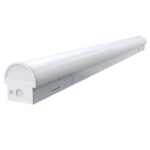 LED Linear Strip Light
 LED Exit Sign&Emergency Light
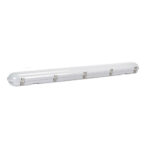 LED Vapor Tight Fixture
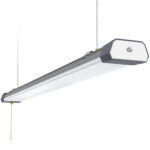 LED Shop Light
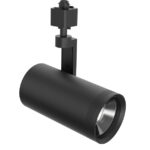 LED Track Light
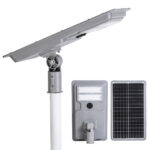 LED Solar Light
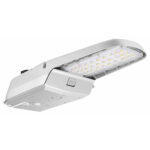 LED Street Light
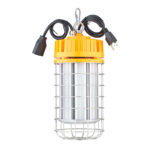 LED Work Light
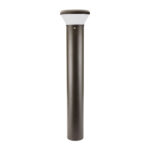 LED Bollard Light
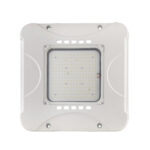 LED Canopy Light
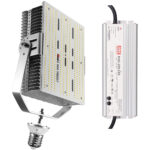 LED Retrofit Kit
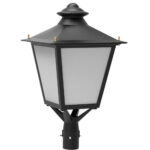 LED Post Top Light
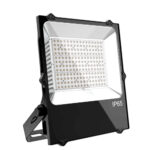 LED Flood Light
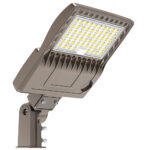 LED Shoebox Area Light
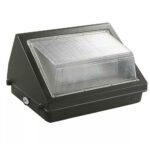 LED Wallpack Light
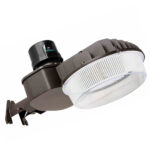 LED Dusk to Dawn Barn Light
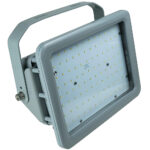 LED Explosion Proof Light
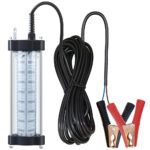 LED Fishing Light
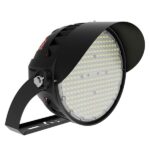 LED Stadium Light
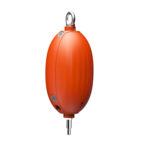 Emergency Backup Battery
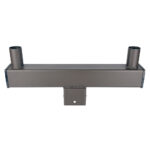 Pole Mounting Bracket
 Dimmer Switch
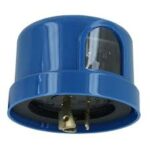 Photocell Sensor
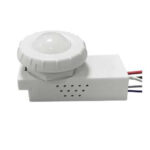 Motion Sensor
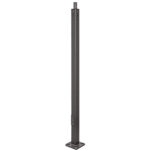 Light Pole
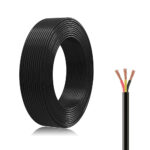 Multi-strand Copper Wire
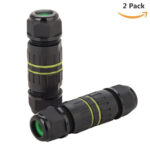 Waterproof Joint
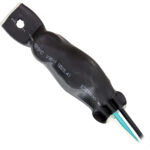 Surge Protective Device
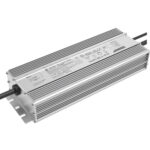 LED Driver
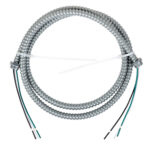 Flexible Conduit
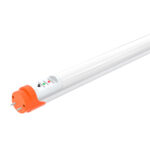 LED T8 Emergency Tube Light
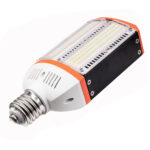 LED E26/E39 Retrofit Bulb
Environmental and energy regulations enforce changing attitudes toward LEDs
WANDA LAU analyzes how shifts in regulatory policy and building code essentially demand that the wider community embrace LED technology for a successful future.

I have always been a believer and practitioner in change, whether it be in career shifts (three to date), relocating (five states plus D.C. with intrastate moves in between), or mindset (I will look forward to exercising).
In a world that grapples to understand the next technology, standard, or trend, businesses have to be open to change if they have any interest in longevity. About a decade ago, I attended a lighting tradeshow in which the number of booths featuring LED products was just beginning to surpass those with conventional sources. As the wave of solid-state lighting sources lapped at our feet, one manufacturer said they firmly believed in their fluorescent products and that was all they planned to offer. Though their fluorescent fixtures were outperforming some of the nascent LED fixtures on display at the time, I couldn’t help but think, “You never know what the future holds.”
As it turns out, the future would see increased attention from the public and private sectors to mitigate climate change, to decrease embodied and operational energy use, and to eliminate toxic chemicals in consumer products. This would be accompanied by increased market demand for LEDs that would drive exponential gains in their performance and reliability.
This year, Vermont will become the first state to ban the sales of mercury-containing compact fluorescent lamps, with 4-foot linear fluorescent lamps to follow next year. California is up next with AB 2208 nixing the sales of CFLs in 2024 and linear fluorescent lamps up to 8 feet long in 2025. On the national front, the Department of Energy is doubling down on its 2022 rule to prohibit the sales of general service lamps (GSLs) with less than a 45 lm/W efficacy by proposing to raise the minimum luminous efficacy of GSLs to 120 lm/W. This would effectively preclude the use of CFL replacement lamps, which average 50 to 70 lm/W.
Along the same line, California’s Title 24, Part 6 now requires the installation of lamps in residential and hospitality interior applications to meet both energy and performance requirements, as outlined in its Joint Appendix 8, to help ensure end users receive quality lighting. See this issue’s article by Energy Code Ace for more details.
Beyond regulatory reasons, lighting designers are specifying LEDs for their projects’ diverse lighting needs and for pragmatic reasons. As Fisher Marantz Stone founding principal Paul Marantz put it when detailing the architectural lighting design at Lincoln Center’s recently renovated David Geffen Hall, “I might find old light sources appealing in some way, but it doesn’t matter because they are going to disappear from an availability standpoint.”
As for the company that once held firm to fluorescent technologies? It embraced change after all and thrives today with a mix of fluorescent and, you guessed it, LED products.
WANDA LAU is editorial director of LEDs Magazine and Smart Buildings Technology. She previously served as executive editor of Architect magazine and worked for a decade in the architecture, engineering, and construction industry.
Good blog